


What to do if a concussion is suspected...
Concussions can be difficult to diagnose, in part because signs and symptoms can be subtle. Sometimes an athlete will be unusually tired, or they "just don't seem like themselves" or are bothered by loud noises or bright lights. Other symptoms are more obvious, such as vomiting or the inability to answer questions. It's important to remember that a younger child may not be able to recognize and/or verbalize their symptoms, and to make it even more complicated, symptoms may not show up for hours or even days.
Remove an athlete from practice/play immediately
If a concussion is suspected - make sure the athlete is immediately removed from activity. When in doubt, sit them out. It is not uncommon for athletes to say they are "fine" immediately after an injury has occurred. Sometimes signs and symptoms don't appear right away but will show up minutes, hours, or days later. Anyone suspected of having suffered a concussion should not return to play without written medical authorization from a medical professional trained in the diagnosis and management of concussion. In many states, this is now law.
Determine if emergency help is needed
If any of these symptoms appear, call 911 immediately. Learn more...
Coaches: Contact a parent/guardian
Coaches should contact a parent or guardian immediately if an athlete is suspected of having sustained a concussion. Many times symptoms will appear minutes, hours, or even days after an injury. Parents should be educated about the signs and symptoms of the injury and know when to call 911. Most concussed athletes go home to parents who are ill-equipped to deal with a brain injury. Make sure to educate parents, athletes and all involved with youth athletes before the season begins.
Consult a medical provider trained in concussion diagnosis/management
Some medical providers have very little experience diagnosing and managing concussions. It matters. Make sure to inquire.
Obtain written medical authorization
Most states with concussion laws allow any athlete who has suffered a concussion to return to play only after obtaining written medical authorization stating they can resume activity. If your state does not have a concussion law, this is still a good practice to abide by. Don't guess whether or not a concussion has healed.
Return to play...gradually
After all physical and cognitive symptoms have resolved and a medical provider has give the athlete permission to return to play, a gradual increase in activity is recommended. In 2008, an international panel of concussion experts developed recommendations for a gradual return-to-play protocol that increases physical stress incrementally. This is a good way to make sure symptoms have truly resolved. If symptoms return during this process, it is likely that more healing time is required and you should consult your medical provider. Learn more...
Brain Health

It is rare for a sports-related concussions to result in a more serious injury such as a skull fracture or hematoma. Nonetheless, it pays to be aware that catastrpohic injuries do sometimes occur as ...
read more...-
CT scans may increase brain cancer risk
Children and young adults scanned multiple times by computed tomography (CT), a commonly used dia...
-
Sub-concussive impacts may affect learning
MINNEAPOLIS – A new study suggests that head impacts experienced during contact sports such as ...
-
Physical activity boosts learning
INDIANAPOLIS – School administrators looking to restructure the academic schedule should consid...




Neuroscience

Athens, Ga.- University of Georgia researchers have developed a map of the human brain that shows great promise as a new guide to the inner workings of the body's most complex and critical organ.
...
read more...-
Does CTE infect neuron to neuron?
NFL Hall of Famer "Iron Mike" Webster's life ended in 2002 when he suffered a heart attack at age...
-
Progesterone seems to protect neurons after injury
It is not yet known why girls suffer concussions at a higher rate than boys. The most prevalent...
-
Amino acids may restore concussion's chemical imbalance
Concussions are often called the "invisible" injury because they are usually not detectable by t...
Resources
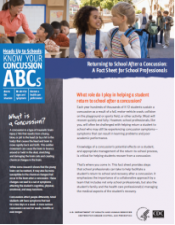
- School professionals play an important role in the health of all students. Recognizing the signs and symptoms of concussion is important, as is managing their return to school ...
- https://
- CDC's Concussion Training for Clinicians
-
Concussion Education Video Programs - Free and Easy
Parents, athletes, coaches and medical professionals have access to concussion education created...
-
New concussion guidelines for team physicians
INDIANAPOLIS – Team physicians who assess and treat athletes suspected of concussion have new ...




Help Us Help
https://https://
 Its all about the kids!
|
 |
 |
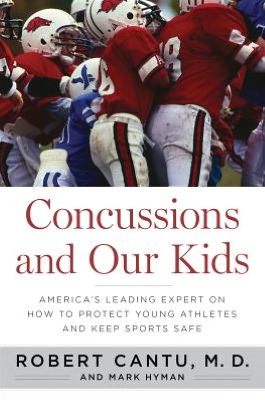 |
 |
quick links
iBaselineTM a division of ...

Knowing the signs and ...

Every school district and ...

Implement a concussion ...

Concussion – The Basics ...

Signs and symptoms of ...

What to do if a concussion is ...

Most concussions heal within ...
What to do if a concussion is ...

...

School medical ...

American Academy of Neurology ...
Latest News
Concussions Occur...
...in Any Sport
REMOVE athlete from play
REFER to medical provider
REST no sports, no texting/TV
RETURN only with doctor's OK
Source: Children's Hospital Boston, Sports Concussion Clinic